
The preserved archaeological heritage testifies to the historical significance of the Cres island from the prehistoric times and ancient Greece and Rome, through the Venetian period and the Habsburg Monarchy to the present day. This rich past reflects in the folklore customs and in the character of the inhabitants, as well as in the exceptional culinary delicacies prepared with special care.
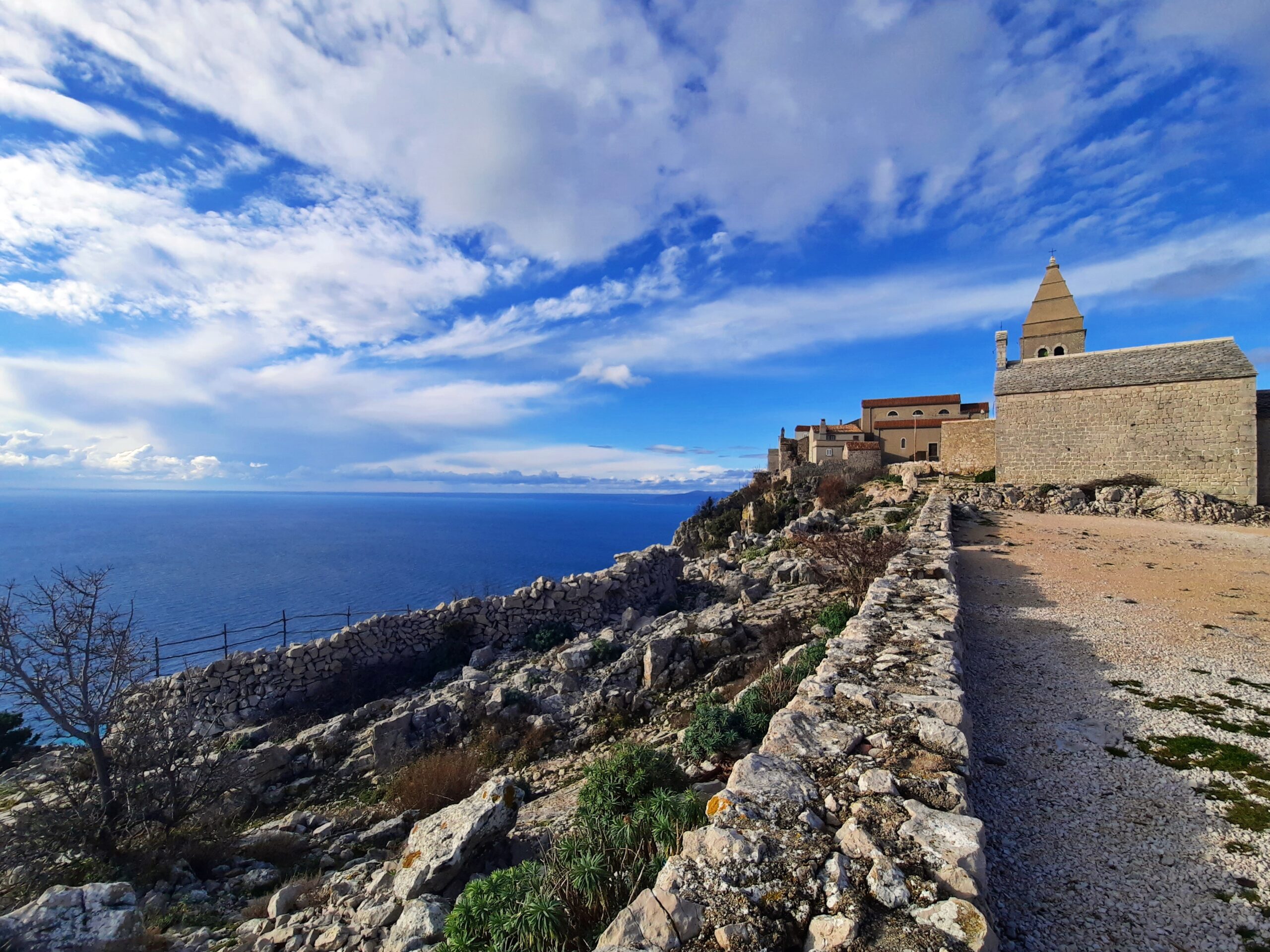
The ancient settlement of Beli, at the north of the island, is a prominent village in the northern part of the island. In Roman times it was called Caput Insulae – the ‘head of the island’. The town of Cres is the largest settlement on the island and it is known for the cultural and historical monuments, most of which date from the Renaissance period. The presence of numerous palaces of wealthy Renaissance families, larger and smaller churches, town gates, monasteries, a tower and the town loggia give Cres a special cultural and historical significance. In Cres do not miss the exhibitions of Cres Museum and Moise Palace. On the southern coast of Cres Bay lies Valun, a picturesque fishing village known for the discovery of the Valun Tablet in the church of St Mark, at the local cemetery. Historical village of Lubenice, which is particularly popular with visitors to the island is located in a strategic location, on top of a steep cliff that rises 378 metres above the sea. The mediaeval stone architecture leaves a strong impression on visitors, as a walk through the narrow lanes transports you to ancient times, giving the feeling that you are walking through corridors of history. In Lubenice you can visit Sheep Breeding Museum. Martinšćica is the second largest settlement on the island where you can visit the Andrija Linardić Museum dedicated to the pioneers of the production of essential oil from sage, immortelle and laurel – father and son Andrija Linardić – who have founded an essential oil factory in Martinšćica in 1903.
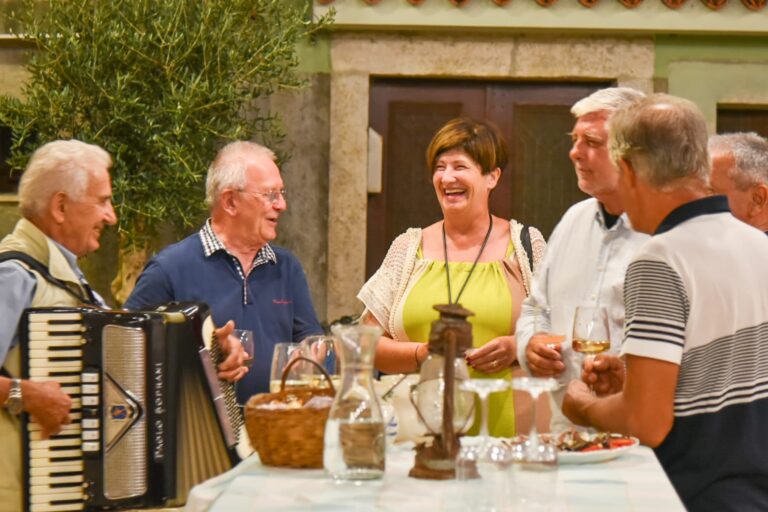
In addition to the architectural heritage, the history of the island reflects in folk costumes, too. A typical island costume is the folk costume from the village of Orlec.